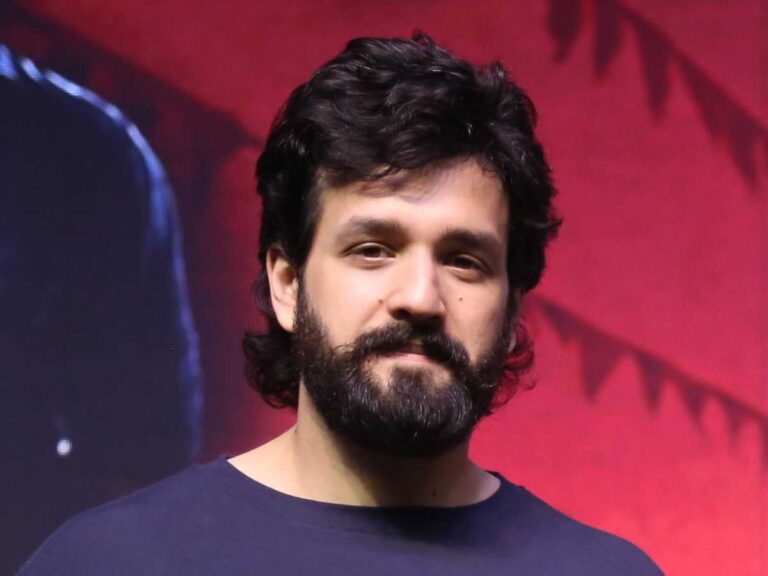
Versatility and realism defined Kota Srinivasa Rao’s acting style
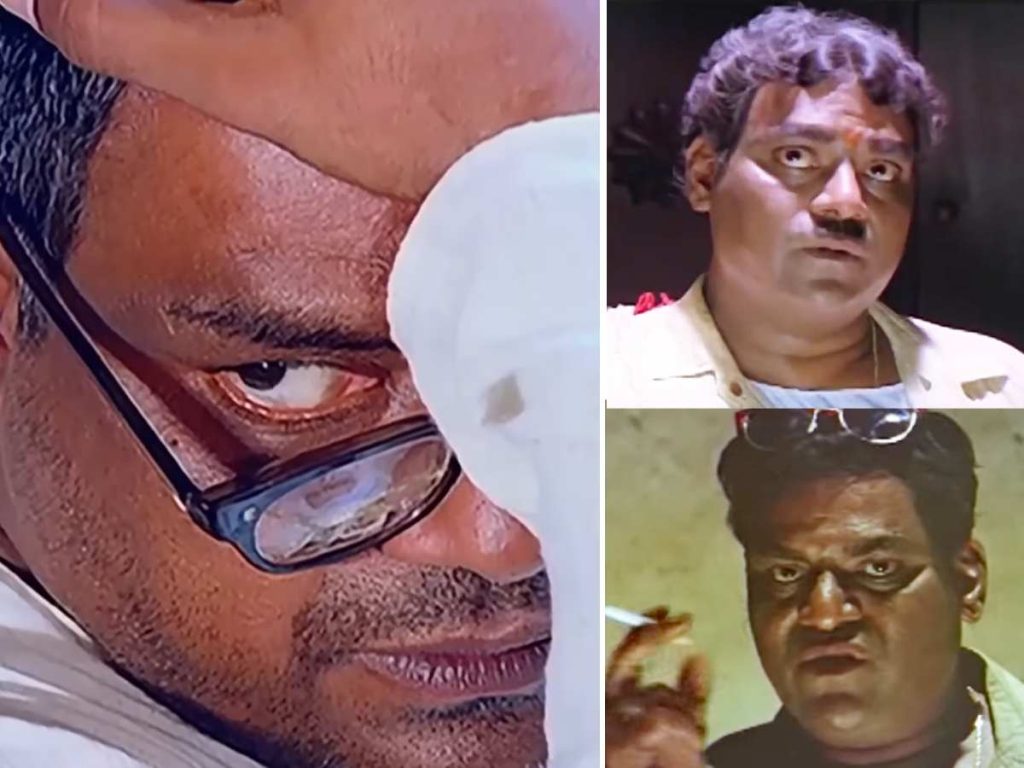
Versatility wasn’t just a trait of Kota Srinivasa Rao—it was his very identity. Few actors in Indian cinema could so seamlessly transform into a villain, a comedian, a father figure, a politician, or a vulnerable common man and make each role feel so authentically their own. His ability to balance intensity with nuance made him a director’s favorite and a cherished presence on screen for audiences across generations.
Iconic villain roles
As a villain, Kota delivered some of his most powerful and haunting performances. In “Pratighatana” (1985), he portrayed a corrupt politician with disturbing realism, earning wide critical acclaim. His chilling turn as a gangster in “Siva” (1989) helped redefine the tone of Telugu cinema, while in “Gaayam” (1993), under Ram Gopal Varma’s direction, his portrayal of a morally bankrupt political leader was both terrifying and unforgettable. His dialogue “Khandistunnam” became an everyday catchphrase.
In “Shatruvu,” directed by Kodi Ramakrishna, his mannerism-laden character with the iconic line “Baboo” left a lasting impact. His ruthless villainy in “Rakshana” alongside Nagarjuna was just as formidable.
He even made his mark in Hindi cinema with Ram Gopal Varma’s “Sarkar,” where he played the stylish underworld character Silver Mani. The line, “Main Silver Mani. Style South, Operation Complete North”, and his eccentric persona made him instantly popular among Hindi audiences.
Brilliance in comedy
Yet, Kota was never confined to intense or negative roles. He possessed a rare gift for comedy, with perfect timing and an unmatched sense of deadpan humor. In Jandhyala’s “Aha Naa Pellanta” (1987), he immortalized the character of Lakshmipathy, the penny-pinching father, bringing the house down with his dry wit and expressions. His comic genius sparkled in films like “Hello Brother,” “Money,” “Appula Appa Rao,” and “Jamba Lakidi Pamba.” He always struck the right balance. He was never too loud, never forced, just effortlessly funny.
Unforgettable character roles
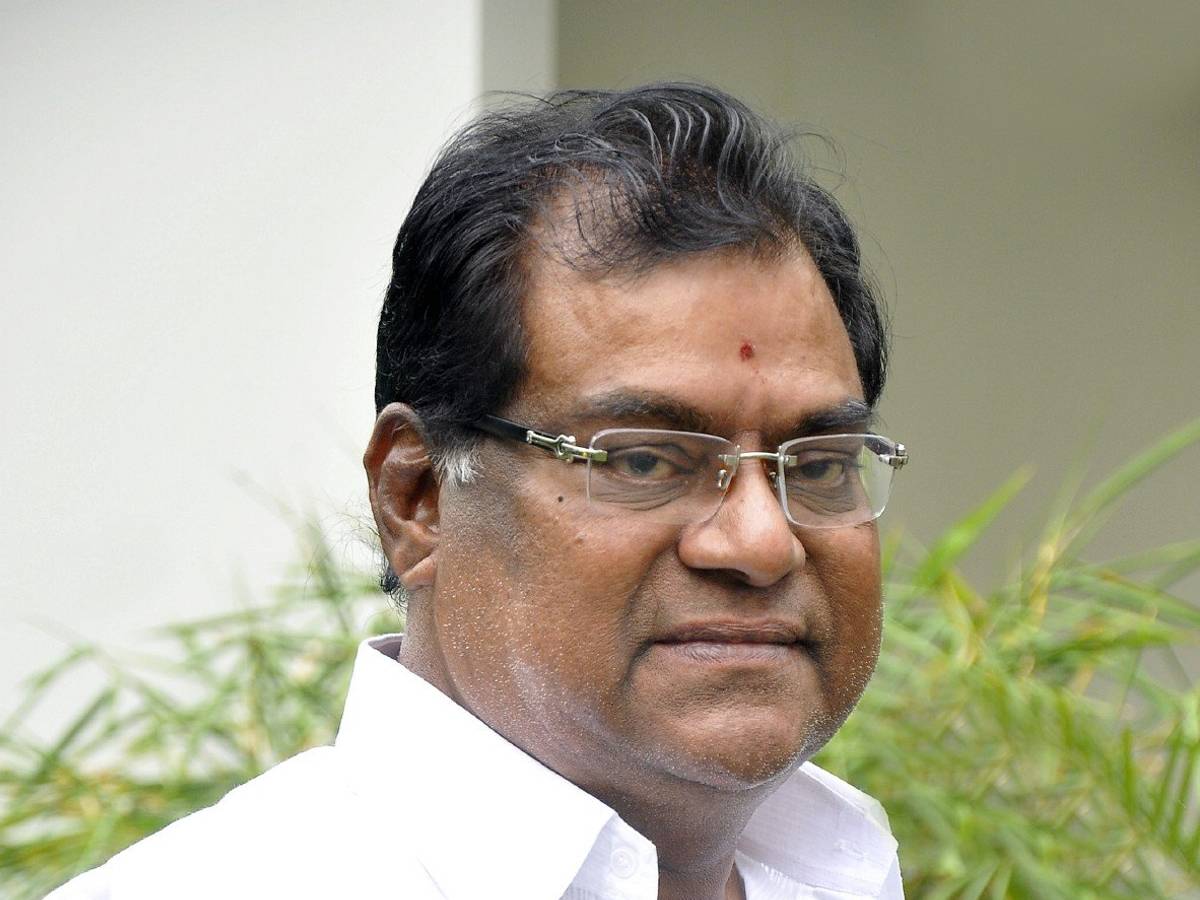
As a father figure, Kota brought warmth, authority, and emotional gravitas. In “Aa Naluguru” (2004), his portrayal of a principled father navigating a materialistic world touched countless hearts. In “Bommarillu,” he appeared as a wise and composed elder, anchoring the emotional weight of the film. In “Little Soldiers,” his affectionate portrayal of a grandfather connected instantly with audiences, young and old.
One of his most lauded father roles came in “Aadavari Matalaku Arthale Verule,” (2007) where he played Venkatesh’s father. It was a performance that drew immense praise for its emotional authenticity.
He also excelled in character-driven roles, often playing judges, lawyers, bureaucrats, or spiritual figures with conviction and dignity. In “Ganesh” and “Leader,” he stood out as morally upright and authoritative figures. Even in smaller parts, like in “Krishnam Vande Jagadgurum,” his presence added layers of depth.
A pan-Indian fame
Kota’s artistry extended beyond Telugu cinema. His impactful roles in Tamil and Hindi films broadened his reach and appeal, earning him pan-Indian recognition. Whether playing a gritty villain, a lovable elder, or a quirky supporting role, his adaptability knew no bounds.
Across 750+ films over four decades, Kota Srinivasa Rao carved a legacy few could match. His performances were never superficial. They were rooted in empathy, detail, and an unwavering commitment to the craft. He didn’t merely act—he became the characters. And in doing so, he etched his name among the greatest Indian actors of all time.